What is Due Diligence?

Due diligence is a term used to describe a deep exploration into the history, and potential physical and financial pitfalls of a property before buying it. The due diligence period begins once a contract or purchase agreement has been signed off on by both buyer and seller. In most instances, the due diligence period lasts between 10 days and 15 days, depending on which state the property is located, and what is agreed to between buyer and seller. As part of due diligence, a buyer can initiate the following proceedings.

Due diligence includes a title search, paint inspections and radon gas inspections and takes place over around two weeks after a contract has been signed. Credit: Scott Graham/Unsplash
  • Title search. The first step is to look into the property’s title to check that it has no handicaps or encumbrances. The owner’s title is a legal document that maintains that the property has no irregularities in terms of ownership, liens or title claims; or if there were any liens, all were or will be paid in full prior to closing. It is important to make sure that the property does not have any negative judgments or claims such as bankruptcy filings and tax liens, or that other individuals cannot potentially make claims on the property.
  • Property inspections. An independent building inspection should be hired in order to determine the overall condition of the property. This kind of inspection encompasses its structure (i.e. the foundation, the roof); utilities (i.e., electrical, heating, cooling and plumbing); and the grounds (i.e. driveway, sidewalks, drainage).
  • Wood-destroying organisms (WDO) inspections. An inspection can also determine if there is any wood rot in the property’s various structures caused by termites or other insects, as well as water damage. These structures include interior walls, baseboards, exterior siding and the garage.
  • Lead-based paint inspections. It is legally required for homes built before 1978 to have inspection tests for use of lead-based paint inside and outside. Federal law also mandates that sellers disclose the presence of lead-based paint and allow potential buyers to test for it as well.
  • Radon gas inspections. Radon is a radioactive gas that can be found in homes, and the inspection is important because the Environmental Protection Agency states that extended exposure to high levels of this gas can cause lung cancer.
  • Property surveys. A survey is a map of the property and its boundaries, which encompasses the home and surrounding land, and other permanent structures such as a swimming pool, a guesthouse or a fence. Doing a survey could show that a neighbor’s structure is infringing onto the seller’s property line, something that should be rectified or resolved before closing.

If there are any defects in or around the property, the buyer can have the seller put in writing in the real estate contract what they will do to rectify the issues discovered during due diligence.

Related Links

Best and final offer

Conditional offer

Home inspection

Have Questions? Contact us today.

This article first appeared on Mansion Global.

Accomplished designers share their thoughts on next year’s anticipated home decor trends.

Home interior trends will celebrate boldness and drama, with more color, pattern and showstopping elements splashed across decor websites and social media feeds. 

Design in 2024 brought us nature-inspired rooms, quiet luxury and a lean toward timeless spaces. While those trends aren’t going anywhere anytime soon, we expect maximalism to reemerge with a fresh face, likely more elegant than in years past.

Some spaces will offer more than visual appeal; they’ll engage all of the senses, leaning into what feels like a permanent spotlight on wellness. In a similar vein, sustainability will continue to thrive, so join the masses and start thrifting if you haven’t already. And as more folks gravitate toward personalizing their home’s decor, craftsmanship will supersede instant gratification.

In preparation for 2025, interior designers shared their thoughts on the anticipated home decor trends to proliferate next year.

The New Maximalism: Boldness, Drenching and Drama

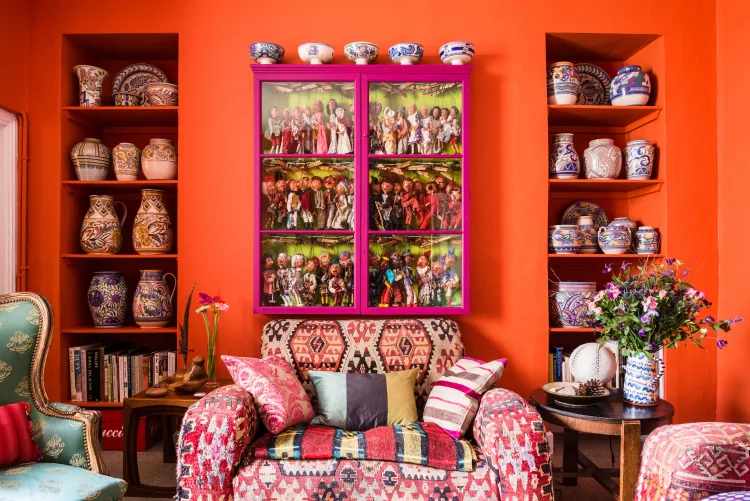
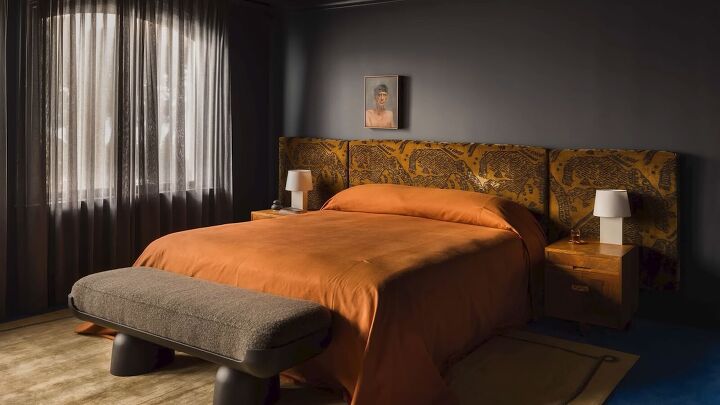
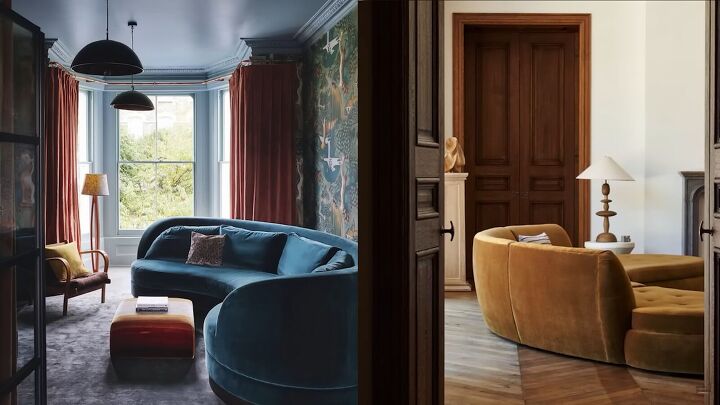
Maximalism is returning, but this go-around will bring elegance for a curated “more is more” approach. Therefore, dramatic interiors marked by bold details, color and drenching will take center stage in 2025. 

“Color psychology is playing a bigger role in how designers approach home design,” said Shauna Jones of Shauna Glenn Design in Fort Worth, Texas. “Kitchens, once seen as the domain of neutral whites, grays and light blues, are now embracing rich hues like mustard yellows, deep emerald greens, burnt oranges or even vibrant cobalt blues.” 

A color movement picking up steam involves wrapping a room’s surfaces in one dynamic hue.

“One of the most compelling trends we see is drenching a space in a single color or tones of the same color,” said Sara Swabb, founder of Storie Collective in Washington D.C.  “This design approach emphasizes color as the main character, creating a memorable atmosphere that feels intentional and deeply personal.”

Pattern will also play a role in the new, more graceful version of maximalism.

“We are seeing a lot of bathrooms, and especially powder rooms, drenched with wallpapered walls and ceilings,” said Sydney Levy of Anthony Wilder Design/Build in Cabin John, Maryland.

Details on ceilings––often referred to as the “fifth wall” by design pros––will also appear more frequently.

“While some may see decorative ceilings as excessive or outdated, they’re poised for a revival,” Swabb noted. “Whether it’s painted in the same shade as the walls for a modern finish, adorned with wallpaper or simply featuring architectural details such as wood beams or painted in ceiling white, bold ceilings can bring a sense of character and unexpected elegance back into living rooms.”

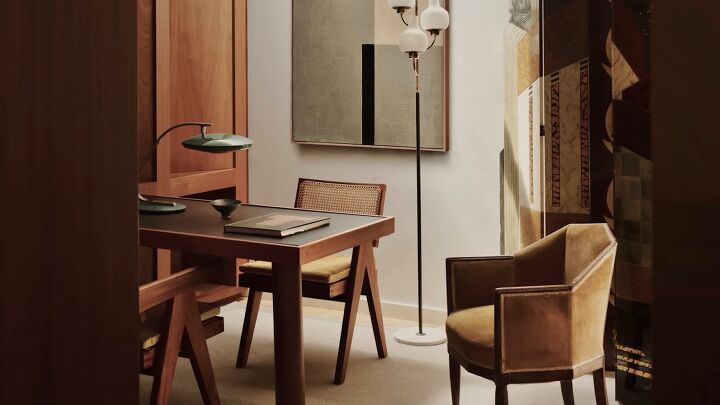
Beautiful Browns

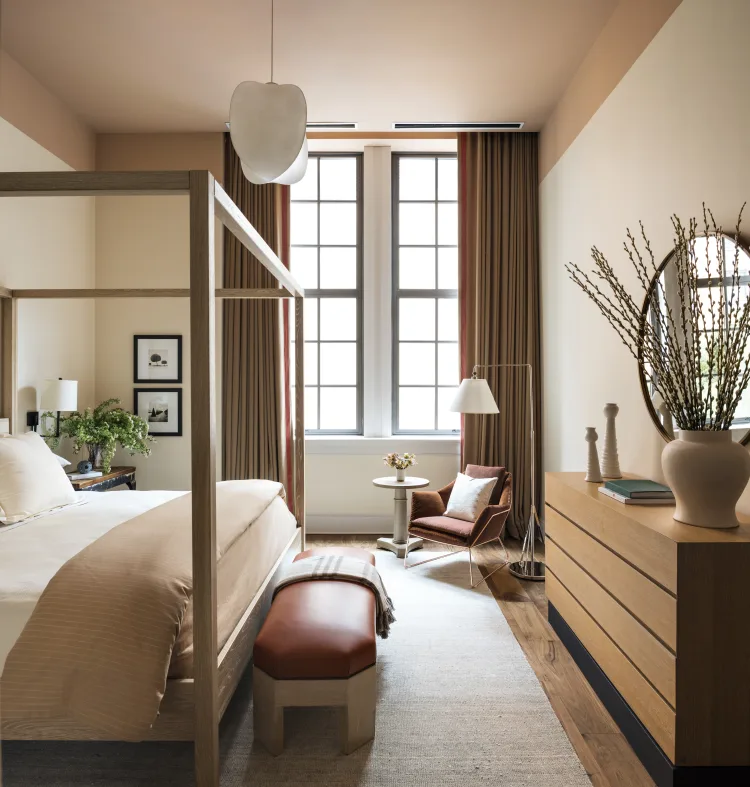
In all of its iterations, the color brown grabbed us in 2024. And the earthy hue’s momentum will continue. Case in point: Pantone’s color of the year for 2025, is the delicious Mocha Mousse, a soft and alluring shade of brown.

“It makes sense that this year’s color is tied to biophilia and can be used to connect people to nature,” said Dan Mazzarini, principal and creative director of BDHM in New York. “You could build an entire room around this warm neutral because it’s inviting.”

Gideon Mendelson, founder and creative director of Mendelson Group in New York, noted that the 1970s revival will play a crucial role in the omnipresence of brown, which has “an enduring quality that makes it feel timeless,” he said.

Bespoke Furniture

The fast furniture trend––“in stock and ready to ship”––will be less prevalent in 2025. Whether it’s a dining table designed and built from scratch or a semi-custom sectional, bespoke furniture, defined by craftsmanship, sustainability and personalization, will headline. 

Pietro Bacchi, co-CEO of luxury furniture brand Artefacto New York, believes that 2025 will bring “continued interest in unique storytelling pieces that make a statement.” 

Likewise, the eco-friendly materials and sustainable practices associated with the production of custom luxury furniture undoubtedly influence design choices, “as clients become more conscious of their environmental impact.”

Designer Erin Coren, co-founder and designer at Curated Nest in Greenwich, Connecticut, noticed a shift in furniture during the pandemic when ready-made pieces were often out of stock or came with extended lead times. Coren mentioned that clients have become more discerning in the past five years, too, so it’s no surprise that bespoke furniture is on the rise.

 “The trend seems to have stuck and we’ve had more and more requests for fully custom or semi-custom pieces,” she said. “Our clients want their homes and the items in them to reflect their tastes and personality, and a trend towards more layered, architecturally interesting, and personalized spaces has increased.”

Mingling Vintage and Retro With Modern Pieces

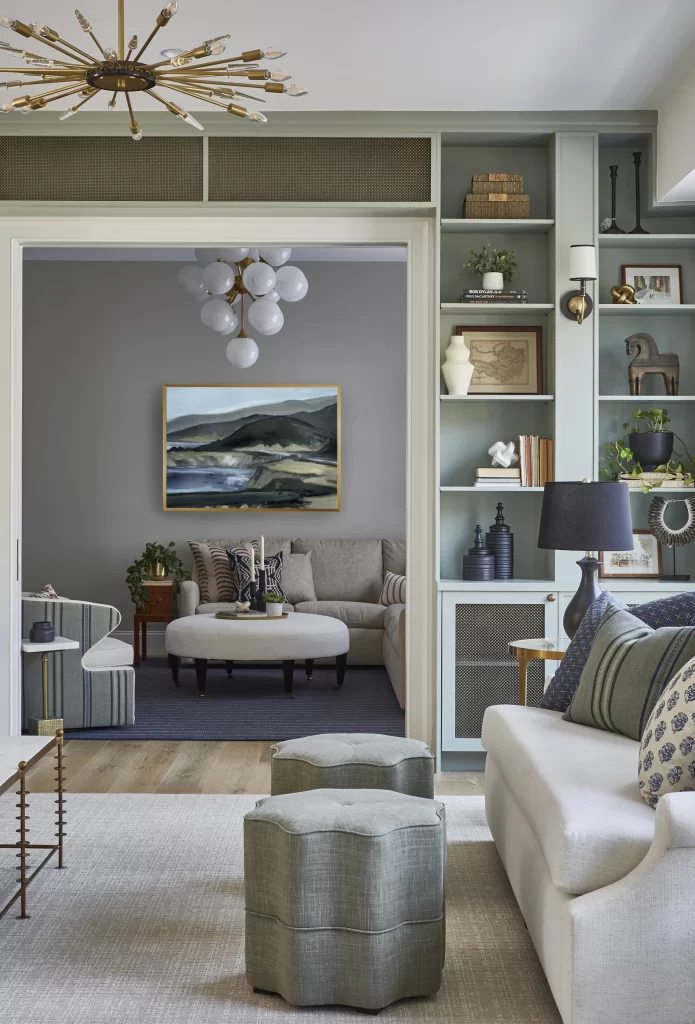
Tying into the sustainability trend, we expect vintage and retro furniture and lighting to be fundamental to the direction design takes in 2025. Whether it’s flea market finds, a coveted mid-century console table sold on 1stDibs or a passed-down Art Deco curio cabinet, vintage blended with modern furnishings will appear more often.

“Including vintage pieces adds a layer of warmth and personality, such as a coffee table that has some slight imperfections, making the family less worried about it being too precious to use,” Levy said. At Anthony Wilder Design/Build, the team strives for 90% of furnishings to be custom and the balance vintage. “By sourcing and using vintage items in homes, we minimize waste and reuse what the owners may have, or if we purchase, it keeps the items out of landfills.” Levy recalled a project where she discovered a set of vintage club chairs and reupholstered them for an updated look.

Vintage lighting blended with modern fixtures will also have a moment next year.

“Imagine pairing a sleek, minimalist pendant with a vintage Murano glass lamp or delicate plug-in shaded sconce.” Swabb said the mingling of styles balances “nostalgia with contemporary appeal,” bringing “character and depth to interiors.”

Playing up Walls

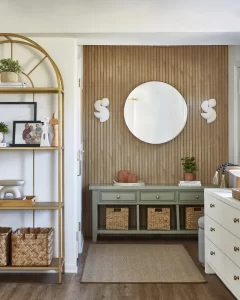
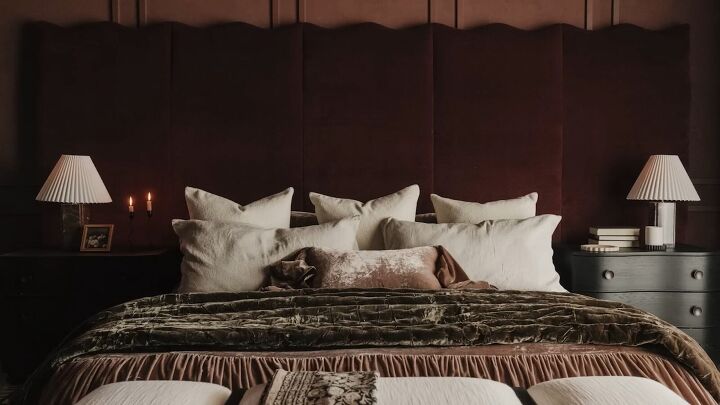
We anticipate more wood paneling to pop up in the next year. Don’t imagine the dated, dark wood walls of the 1970s; picture beautifully crafted millwork and wood details for warmth, texture and a sophisticated backdrop.

Coren said designers are searching for new methods to enhance walls architecturally since shiplap––an interlocking wood paneling that originated in ship-building––has become ubiquitous over the past decade.

“The wood paneling we’re seeing today displays a lot of vertical linear elements, like tambour, fluting, and reeding,” she explained. “More traditional forms of wood paneling, like wainscoting, flat paneling and beadboard, are also going strong but in new, bolder ways––we’re seeing many painted wood finishes with a lot of high-gloss, color drenching and moody tones.”

Considering this focus on walls, other materials and applications will become more relevant.

Noting that they can transform rooms into “visually stunning experiences,” Jones said.

 Wall murals “offer a powerful way to personalize spaces with unique, artistic expressions that reflect individual style and creativity.”

Vibrant wall tile will also have an impact on the design scene. Zellige––handmade Moroccan tiles––are becoming more sought-after.

“The rich, glossy surface of Zellige tiles gives a dynamic, textured feel to a kitchen backsplash, adding warmth and an exotic flair,” Jones noted. “Their irregular shapes and sizes create a subtle yet sophisticated pattern that can either be arranged in traditional Moroccan motifs or in modern, more abstract geometric formations.”

Sensorial Design

Tying into the wellness trend that keeps trending, interior design engaging all five senses is gaining traction. 

“Sensorial design focuses on incorporating dimensions beyond sight, such as sound, scent and texture,” said interior designer Maedeh Ziaei Moayyed of TriVistaUSA in Arlington, Virginia. “This approach enriches the spatial experience and positively impacts the mood.” 

Ziaei Moayyed said sensorial design has gained popularity in recent years, and the momentum will persist. It’s a perfect pairing for biophilic design, a movement that’s risen to the forefront of the design world.

Design elements that appeal to all of the senses can be created in various ways: playing relaxing music, incorporating scents by using aroma diffusers and thoughtfully lighting our homes, Ziaei Moayyed said. “All of these elements contribute to emotional well-being and the overall experience within the space.”


This article was first published on Mansion Global.

Proper materials, spacing out plantings, and trimming brush are simple ways to safeguard your property

The deadly wildfires that ripped through Southern California and destroyed more than 16,000 structures in January were believed to have been fueled by dry conditions and strong Santa Ana winds. However, it’s likely the area’s landscaping also had an effect on the spread of those fires.

In order to protect a home from outside threats no matter where you live, there are certain best practices that can be employed. Choosing fire-resistant plants and materials, maintaining your greenery and creating safe space between plantings can help stop or at least slow flames from reaching a home.

“Protecting your home from flames and embers is key to it not burning down,” said Teryl Ciarlo, founder of Teryl Designs Landscaping in Pacific Palisades, where one of the most damaging fires hit and destroyed more than 5,000 structures.

“Protecting your home from flames and embers is key to it not burning down,” said Teryl Ciarlo, founder of Teryl Designs Landscaping in Pacific Palisades, where one of the most damaging fires hit and destroyed more than 5,000 structures.

Ciarlo, who said that 22 of her customers’ homes were destroyed, is now helping clients clean up debris and reimagine their outdoor design with “defensible landscaping,” a method of protecting properties from the risk of fire damage.

“If you plant smart and maintain the plant material surrounding your home, you create a safety zone that burns before your home does,” she said. “I have several clients in the Palisades who had homes saved by the landscaping. All of the trees burned down, but their homes were saved.”

Choose Plants and Materials Wisely

One of the most important steps to keeping fires at bay is to simply plant greenery that does not pose a danger.

“The number of palm trees in the L.A. area that are open to catching embers is an issue,” said Christine Edstrom O’Hara, a professor of landscape architecture at California Polytechnic State University in San Luis Obispo, California. “When trees aren’t maintained, dead fronds can become a fuel ladder for the fire, going up into the trees and then setting off one tree after the next.”


In addition to palms, risky tree choices include eucalyptus, oleander and cypress. More fire-resistant options are oak, magnolia, evergreen, dogwood, ficus and elm.

“I use a lot of ficus trees as a privacy screen, and several of the properties I have seen in the Palisades still have the ficus trees standing,” Ciarlo said.

Some native California varieties, including coast live oak, sequoia, redwood and ponderosa pine, have evolved to withstand fires and are naturally fire adaptive. Low-laying plants and ground covers such as coyote brush, Toyon and California lilac are also good choices.


However, Cal Fire—Office of the State Fire Marshal Staff warned that even though some plants are labeled “fire-safe” or “fire-resistant,” their actual risk of burning can vary greatly depending on care and environmental conditions.

Mixing hardscaping into landscape design is another important element, especially in places that have water restrictions.

“Greenery can be on the outside of the hardscaping as a first layer, with the hardscaping as a second layer and shrubs along the hardscaping as a third layer,” Ciarlo said.

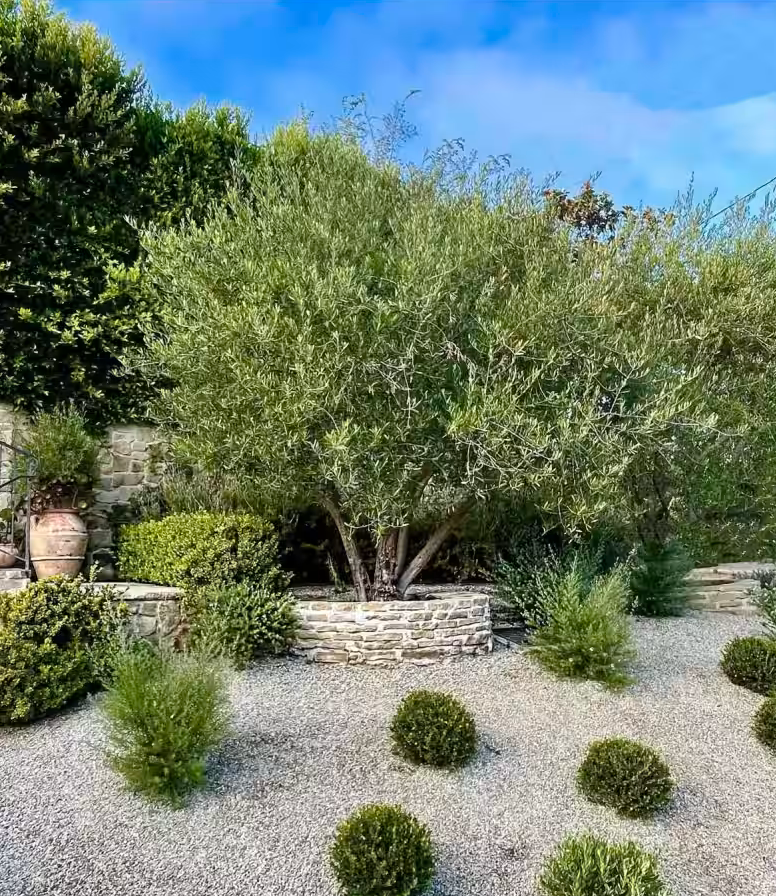
In addition to using gravel as a barrier, she recommended turf that contains cork, coconut, sand and fire retardant, such as Cocoturf. While gravel can be inexpensive—ranging from $2 to $5 per square foot, depending on the type—Ciarlo said Cocoturf costs $9 to $13 per square foot.

Patios and brick or stone walls also can act like a firebreak and are usually non-combustible. According to Ciarlo, a brick wall can cost around $25 per square foot, and an outdoor fireplace can cost $8,000-$17,000, depending on the size.

“The Eaton and Palisades fires were so hot that some of the only things left standing were brick walls, planters and fireplaces,” she added.

Keeping wooden materials away from the house is also important. This includes everything from wood piles to decking, furniture and ornamental additions.

“I live in one of the highest fire areas in San Luis Obispo County, so I knew not to build wooden fencing, put up wooden pergolas or use wood mulch,” O’Hara said. “You can put down pea gravel or something like that so that you don’t have wood next to the house, because as soon as that wood catches on fire, it goes straight to the end of any built structures.”

Practice Year-Round Maintenance

To help protect a home from fires, it’s essential to maintain any overgrowth around it. Cut back low-hanging branches against the house or over the roofline.

“Trimming and brush clearance starts around $500 per day,” Ciarlo said. “A few thousand dollars annually for a tree-trimming company and brush-clearance service is such a good investment as it could be the deciding factor in saving your home.”

In rural areas, homeowners can be helped naturally by deer that eat back plants. For large properties, they might bring in animals to help maintain their land.

“I have 6 acres, and we rent goats and sheep to help maintain our acreage,” O’Hara said. “They eat about an acre a week, and it costs about $500 a week.”

Another way to mitigate fire risk is to keep yards irrigated. An automatic sprinkler system with an electric timer can help. Ciarlo recommended installing rooftop sprinklers. These can be as basic as two hoses and a rotating sprinkler head attached to the roof to professionally installed systems that can cost upward of $5,000, depending on the size of the home, she said.

Create Safety Zones

Defensible space acts as a buffer between a structure and the surrounding area and can slow or halt the progress of a fire. Cal Fire breaks defensible space into three zones, emanating 100 feet out from a building or to the property line, whichever is closer. Even though these zones are advised by Cal Fire, they can help protect homes from fire in any region.

The aim of Zone 0, which is 0 to 5 feet out, is to be ember resistant. Privacy hedges can help block the wind and traveling embers, but they should not be planted right up against the house. All dead plants should be removed from gutters, roofs, decks and stairways, and branches should be cut back at least 10 feet from chimneys. Noncombustible materials such as gravel, pavers and concrete should be used in lieu of bark or mulch. Other combustible items including firewood, furniture, planters, garbage cans, fencing and vehicles should be removed from this area.

The purpose of Zone 1 (5 to30 feet out) is to be “lean, clean and green”: Use only a small amount of flammable vegetation around a building, remove flammable debris and dead plants, and keep plantings healthy and irrigated. A buffer of 10 feet also should be kept between trees to reduce the risk of fire spreading.

Zone 2 (30 to100 feet out) focuses on reducing potential fuel. In addition to creating horizontal space between plants, ensure there is enough vertical space between grasses, low-lying plants, shrubs and trees. Keep at least three times the height of any shrubs between the shrubs and the lowest branches of trees to prevent a fire ladder.

For more details on creating defensible space, visit Cal Fire’s full recommendations.

“There is also a demonstration garden at the San Luis Obispo Botanical Garden to show how to plan residential design with plant options and spacing that won’t cause problems,” O’Hara said. “While California has a lot of risk, these tips could be used anywhere around the world.


025 is going to be a year of bold, elegant design choices, layered and patterned spaces, and a whole lot of personality. Let’s dive right in and explore the interior design trends that will shape our spaces in the coming year.


A New Wave of Maximalism

We’ve officially entered a new era of maximalism.


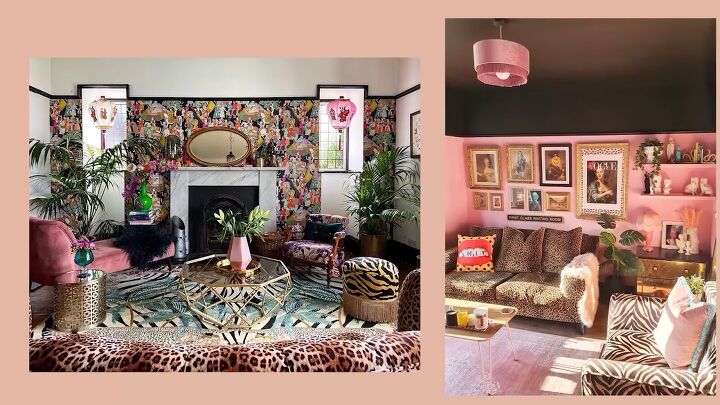
When you hear “maximalism,” you might picture chaotic zebra stripes, leopard prints, and rooms crammed with stuff (see above).


While that was once what maximalism looked like, it’s evolved. This new wave is curated and intentional, focusing on comfort over excess.


In 2025, maximalism is about creating spaces that feel layered, cozy, and full of personality.


It’s bold but thoughtful, where colors, layers, and textures tell a story.


After decades of minimalism, people have increasingly leaned toward maximalism, especially since 2020.


Maximalism is here to stay, making homes feel warm, inviting, and alive.


The Magic of Hidden Doors

I love the trend of hidden doors and concealed design, and it’s going to continue strong into 2025.

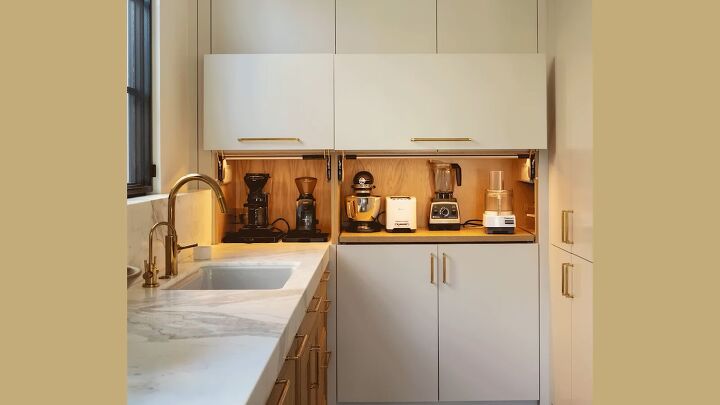
In kitchens, hidden doors blend seamlessly into cabinetry, concealing pantries or service areas, making the space feel uncluttered.

In some homes, hidden doors are being incorporated into bookcases, leading to secret rooms like home offices or playrooms.

Even appliances are getting the hidden treatment, tucked behind matching cabinetry for a streamlined look.


These hidden elements bring mystery and magic to any space.


Drenching: One Material, Multiple Surfaces

Drenching, the process of cladding multiple surfaces with a single material, has been a huge trend, but it’s evolving in exciting ways.

Originally, “color drenching” covered walls, trim, and ceilings in a single color, creating a cohesive look. Now, drenching has expanded:

  • Double drenching: Using two colors instead of one.
  • Tile drenching: Covering floors, walls, and even ceilings in tiles, often creating a spa-like effect.
  • Pattern drenching: Matching wallpaper, curtains, and upholstery with a single textile pattern.
  • Wood drenching: Wrapping spaces in warm, natural wood tones for a cozy, enveloping feel.

This trend, whether with wood, tile, or fabrics, adds layers of texture and depth to a space, making it feel truly unique.

Statement Ceilings: The Fifth Wall

Statement ceilings are still going strong in 2025.


As maximalism continues to dominate, ceilings are becoming the next frontier for adding personality and depth.


Intricate moldings, ceiling beams, and wallpaper are transforming ceilings into a “fifth wall” that enhances the room.


A dark ceiling, for example, can make a space feel more intimate, creating a cozy and cocoon-like atmosphere.


Looking to the Past for Inspiration

One of the most exciting aspects of 2025 interior design is how much we’re drawing inspiration from the past. Designers are reimagining elements from Art Deco, Victorian, Craftsman, and even the 1970s and 80s.

Here’s how:

  • Craftsman style inspires warm wood tones, built-in cabinetry, and detailed craftsmanship.
  • Art Deco adds glamour with rich materials, geometric patterns, and luxurious finishes.
  • Victorian influences bring embellishments, ornate details, and dark woods for added drama.
  • 70s and 80s styles contribute bold colors, geometric patterns, and high-gloss finishes.


These historical elements are blended with modern sensibilities, creating spaces that feel personal, curated, and full of meaning.


The Comeback of Dark Woods

In the past, Scandinavian-inspired interiors—think pale oak and white—dominated. But 2025 is seeing a shift toward darker woods like oak, mahogany, and walnut.

These rich tones bring sophistication and timeless appeal, showing up in kitchen cabinets, furniture, flooring, and ceiling beams.


This shift represents a move away from minimalism toward warmer, more grounded interiors.


Colors of the Year and Moody Interiors

Warm, rich tones are still big in 2025.

Shades of burgundy, brown, muted greens, and blues are everywhere.


These colors, along with moody interiors, are a key part of creating cozy, grounded spaces.


Leading paint brands are also unveiling their colors of the year:

  • Behr’s ” Rumors is a deep ruby red that adds comforting warmth.
  • Benjamin Moore’s ” Cinnamon Slate” is a mix of plum and velvety brown.
  • Sherwin-Williams couldn’t pick just one color, so they created a capsule of nine!

At the time of writing, Pantone hasn’t yet announced their color of the year, but it’s always a fun guess.

Texture Is Everything

In 2025, it’s not just about how things look but how they feel.

Textures will be everywhere—think chalky plaster, Moroccan tadelakt, and limewash paints.


Velvet and chenille fabrics are popular, with velvet leaning toward a matte finish.


Bouclé seating is still a favorite, as seen at Milan’s Salone del Mobile this year.


Metals are also big, with mixed metals like brass, bronze, silver, and chrome adding depth and dimension.


Aged patinas are popular for creating a sense of history, while polished finishes like chrome are making a comeback too.


Smart Home Technology: Healthier, Safer, and More Connected

Smart home technology keeps evolving, and 2025 will be no exception.


Smart lighting, temperature control, smart locks, and remote-controlled blinds are all making homes more connected and convenient.


Kitchen appliances are becoming more multifunctional, like faucets that also brew coffee.


With AI advancing quickly, the future of smart homes is full of possibilities!


The Curves Continue

Curves have been trending in interior design for a while, and in 2025, they’re bigger than ever.

Curved furniture, doorways, backsplashes, and kitchen cabinets are all the rage.


This trend is a reaction to the rigid lines of minimalism, offering a softer, more approachable feel.


Curves add warmth, personality, and nostalgia, recalling iconic design eras like Art Deco and the 1970s.


Final Thoughts

Trends aren’t just invented to sell new stuff—they reflect where we’ve been, what we value, and where we’re going. They show us that design is always evolving, just like us. As we move into 2025, I hope you embrace these trends, add your personality to your space, and have an amazing year! Thanks for reading, and I’ll see you in the next one!


This article first appeared on ResignDaily.com

U.S. house hunters typically find more homes to choose from and bigger discounts in the fall

Those on the market for a home in the U.S. should circle Sept. 29 on their calendars.

The best time to buy a home in the U.S. is just a few weeks away, when a new influx of listings arrives on the market and competition levels off from its summer high, according to a report from Realtor.com. And buyers might actually actually pay $14,000 less for a home than they would have during peak times of this year.

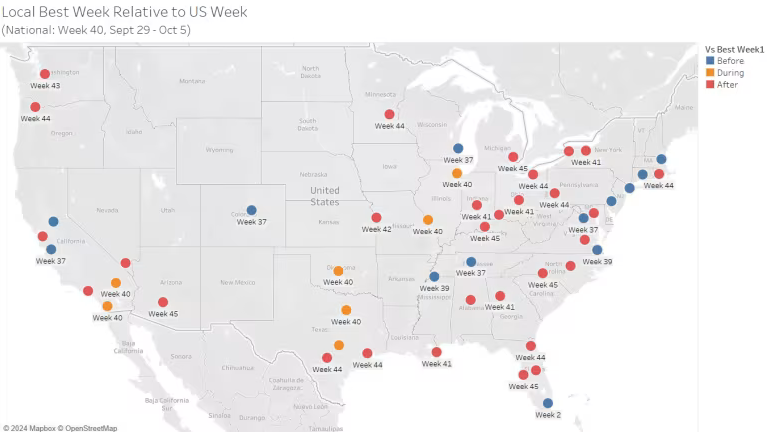
Factors like price, competition and inventory combine to make the 40th week of the year, which this year spans Sept. 29 to Oct. 5, the best week to buy a home nationally, though it ranges from September to November depending on the particular city, per the report.

The fall season tends to see a new influx of listings, more inventory, lower prices and more price reductions, a far cry from the frenzied market peak typically seen in the spring.While these seasonal trends hold true, this year’s housing market certainly has had its own flavor, with high prices and low inventory keeping demand low, and all eyes on the Fed rate cut expected later this month.


From Sept. 29-Oct. 5, inventory is expected to be 14% higher than an average week, and 37% more compared to earlier this year, according to historical trends. Inventory has been trending upward this year, with new listings up every month since November on an annual basis, after a historic housing crunch during the post-pandemic rush, the report said.

On the competition side, the week of Sept. 29 historically has less demand, and homes stay on the market longer, giving prospective buyers some breathing room before making a decision. Demand (measured by views per listing) is expected to be down 29.5% from the peak that week and 14% lower than the average week, according to historical trends.

Finally, prices tend to settle slightly after the summer peak and sellers offer more price reductions to accommodate the drop in demand. “Adjusting for this year’s trends, buyers shopping during the best week could save roughly $14,000 compared with the year’s peak nationally,” the report said.

On a metro level, the best week to house hunt matches the national average in 20% of cities, including Dallas, Chicago, San Diego, and St. Louis. In most Northeastern cities, including New York, the best week to buy is in September, while in most Midwestern cities the best buying time is after the first week of October.

In the Southeast, the ideal buying time is in late October to early November. Miami is the only city where the best week to buy is in a different season altogether—coinciding with peak snowbird season—in January.

Farmhouse décor has steadily gained popularity, becoming a beloved style for those who appreciate a blend of rustic charm and modern elegance. Rooted in simplicity and practicality, farmhouse décor emphasizes comfort and tradition while integrating contemporary elements to create inviting and stylish spaces. Here’s a closer look at how you can bring this timeless style into your home.

The Essence of Farmhouse Décor

At its core, farmhouse décor is about creating a warm and welcoming environment. The style is characterized by its use of natural materials, neutral color palettes, and a mix of old and new furnishings. The goal is to evoke the simplicity and functionality of rural living, combined with a sense of modern comfort.

Key Elements of Farmhouse Décor
  1. Natural Materials: Wood, stone, and metal are the primary materials used in farmhouse décor. Exposed wooden beams, distressed wood furniture, and stone accents contribute to the rustic feel. Metal fixtures and accents add a touch of industrial charm.
  2. Neutral Color Palettes: The color scheme in farmhouse décor typically includes whites, creams, and soft grays, providing a clean and serene backdrop. These neutral tones are often complemented by muted blues, greens, and earthy shades to add warmth and depth.
  3. Vintage and Repurposed Items: Incorporating vintage pieces and repurposed items is a hallmark of farmhouse style. Think of an old barn door turned into a dining table, or antique mason jars used as vases. These elements add character and a sense of history to the space.
  4. Textiles and Patterns: Cozy textiles are essential in farmhouse décor. Layered rugs, chunky knit throws, and linen cushions create a comfortable and inviting atmosphere. Patterns such as checks, stripes, and florals are commonly used, often in understated tones that blend seamlessly with the overall color scheme.
  5. Functional and Simple Furniture: Furniture in farmhouse décor is often simple and functional, yet stylish. Pieces like a sturdy farmhouse dining table, a distressed wood coffee table, and comfortable upholstered sofas define the look. The furniture should feel lived-in and inviting, encouraging relaxation and gatherings.
Tips for Incorporating Farmhouse Décor
  1. Start with the Basics: Begin by focusing on the foundational elements like walls, floors, and larger furniture pieces. Choose neutral paint colors, wooden flooring, or area rugs that set the tone for the space.
  2. Mix Old and New: Blend vintage finds with contemporary pieces to create a balanced look. For example, pair a modern sofa with a reclaimed wood coffee table, or place an antique mirror above a sleek, new console table.
  3. Use Natural Light: Farmhouse décor thrives in spaces with plenty of natural light. Keep window treatments light and airy to let in as much light as possible. Consider using sheer curtains or blinds that can be easily opened.
  4. Personalize with Accessories: Add personal touches through accessories like framed family photos, handmade pottery, and collections of vintage books. These items can add a sense of warmth and individuality to your décor.
  5. Bring the Outdoors In: Incorporate elements of nature into your décor with plants, flowers, and natural fibers. A potted herb garden on the windowsill or a vase of fresh flowers on the dining table can enhance the farmhouse aesthetic.

Farmhouse décor is more than just a design style; it’s a way to create a home that feels cozy, welcoming, and timeless. By focusing on natural materials, neutral colors, and a mix of vintage and modern elements, you can transform your space into a charming farmhouse retreat. Whether you live in the city or the countryside, farmhouse décor can bring a touch of rustic elegance to your home.

Peace of mind seems to be the running theme in luxury home trends in 2024, whether it’s predictive AI learning to anticipate your needs or building amenities that help entertain your kids or your dinner guests.

Added comfort and convenience to day-to-day life comes at a good time. Economic and geopolitical uncertainties are poised to compound in 2024, with multiple national elections in the cards, including the U.S. presidential election, and the uncertain hope that central banks will bring interest rates back down. Those concerns will affect the direction of luxury home sales from London to New York.

With all that external noise in the world, anyone who grabbed the maximalist, more-is-more design trend by the horns—in some cases, literally—might prefer to dial back the chaos. Interiors are going to get a little more curated and nature-oriented as people crave serenity.

Take a look at these trends and more in our five-part look ahead for 2024.


Renderings: Courtesy of VMI Studio for El Ad East 74 LLC

Five Luxury Developments Setting the Bar in 2024

The latest condo developments, many designed by famed architects and interior designers and appointed with high-end finishes and custom furnishings, are placing a priority on creating extraordinary and even exotic all-encompassing experiences that rival those of the world’s top resorts and vacation spots.

Boutique projects offer the exclusivity and privacy of gated communities while still being in the center of their respective cities. Tall towers and large complexes become vibrant, attraction-laden self-sufficient pseudo neighborhoods in and of themselves…Read More


Gaming, AI and Wellness to Drive Smart-Home Innovation Over the Coming Year

If it feels like your smart devices know you better than you know yourself, get used to it.

In 2024, technologies like predictive artificial intelligence and biometric data management will continue transforming the role smart machines play in our lives—anticipating needs, customizing experiences and foreseeing troubles. Think of a diagnostic toilet seat or self-maintaining appliances that can schedule their own repairs…Read More

Photo: lululemon


Creative Tonic. Photo: Julie Soefer

Maximalist Interiors Are Due for a Purge in 2024

The past year’s design scene was marked by showstopping kitchens, eco-friendly materials, and over-the-top maximalism. But 2023 will soon be a distant memory, and the new year and a fresh approach to the spaces we live in will be upon us.

Layering will surely assume a different persona, reflecting a cleaner, more tailored look than we’ve seen. As people crave comfort, timeless style is expected to soar in the coming year. Colors will lean more saturated, but Pantone’s 2024 Color of the Year: Peach Fuzz (Pantone 13-1023) will surely show up in accents and patterns, softening those bolder tones. Texture will also evolve…Read More


Lavish Dining Areas, Souped-up Children’s Play Rooms and Secluded Workout Spaces Top Amenity Wish Lists for 2024

In luxury condominium developments, health amenities continue to rival the highest-end gyms and spas. Affluent buyers have spoken: They want private spaces within sprawling wellness floors to reach their personal bests, then actively recover in a sumptuous setting.

New York City and its latest crop of luxury new builds offer a weathervane for amenity trends in the year ahead, as developers compete for some of the world’s wealthiest buyers—and they’ve answered the call for wellness facilities in many creative ways. “Specificity” is the name of the game going into 2024, with private e-workout pods and spa-like amenities that provide residents with a private escape. Pools, including of the saltwater variety, are becoming a given in the luxury condo amenity lineup...Read More

Olympia DUMBO. Credit: Pavel Bendov


Photo: Getty Images

Here’s What’s in Store for the World’s Luxury Real Estate Hubs

Myriad uncertainties, from mortgage rates to national elections and the stock market, will have more impact than in typical years in major metropolitan housing markets from San Francisco to Sydney in 2024.

In London, “the biggest risks to the prime market are likely to be political rather than economic,” said Tom Bill, head of U.K. residential research at Knight Frank. “If the election occurs in the latter half of 2024, then we may see an uptick in prime sales. Prime buyers are less reliant on mortgages, but they are influenced by uncertainty…Read More

U.S. homeowners who are looking to sell should prepare to put their homes on the market between April 14-20, which Realtor.com has deemed the best week to list this year.

During that week, sellers are likely to experience the best combination of higher listing prices, buyer demand and sales pace, while there will also be a lower chance of price cuts and competition from other sellers, according to an analysis from Realtor.com on Thursday.

As it takes a majority, or 53%, of home sellers a month or less to prep their home to hit the market, according to a Realtor.com survey, so now is the time to get ready for that mid-April list date.

“Spring is generally the high season for home sales, and buyers tend to be more plentiful earlier in the year,” Realtor.com’s chief economist Danielle Hale said in the report. “Because listing a home is a process, sellers should start preparing now so they can list their home at a time when conditions are likely to be most favorable, giving them the best chance of selling their home quickly and at a competitive price.”

During the week of April 14, the prices of homes listed have historically been 1.1% higher than the average week and 10.4% higher than at the beginning of the year. For 2024, that means $7,400 more than the average week and $34,000 higher than the start of the year, according to the report.

Demand is historically higher during that week, too, with 18.4% more views per listing than the usual week. Last year, the week of April 14 actually brought 22.8% more listings views, but this year, demand will heavily depend on mortgage rates, as steady or rising rates could sideline buyers.

Because of this higher demand, homes also tend to close more quickly, selling 17%, or about nine days, faster than the average week. Last year, homes listed during this week spent an average of 46 days on the market, which was six fewer days than the 2023 average. High demand coupled with low inventory could lead to homes spending even less time on the market.

Though inventory increased 14.8% annually in February, the number of active listings is still a drastic 39.7% lower than pre-pandemic levels, creating more opportunity for sellers with less competition between each other. In the past, there were 13.7% fewer sellers during the week of April 14 compared with the average week. Additionally, sellers can expect to get more for their homes, as the number of homes with price reductions tends to be 24.6% lower than normal.

Mansion Global is owned by Dow Jones. Both Dow Jones and Realtor.com are owned by News Corp.

Get A FREE Home Valuation Today!

Freezing temperatures and snow limit the scope of updates some homeowners can make this time of year, but there are plenty of important indoor projects that could pay off.

The weather outside may be frightful for some this time of year, and that presents a problem for anyone who needs to start sprucing up their home to go on the market this spring.

If you live in a part of the world where snow is piling outside your door, you may not be able to do much to the exterior, but that all-but-forced hibernation is prime time to perk up your pad’s interior. And updates are crucial now that so many buyers are hesitating amid high mortgage rates and inflated home prices.

“If a home feels tired, dated or too personal, you will not only lose showing traffic but also significantly decrease the potential for a lucrative offer,” said Traci Garontakos, managing partner at the Agency in Indianapolis.

The average buyer tends to have a hard time visualizing what a space can be and often can’t see past what is already there. A clean and inviting home at the moment of listing it can set the foundation for a successful sale by capturing the attention of potential buyers as the real estate market reignites next spring, said Sharon Parker of Tate & Foss Sotheby’s International Realty in North Hampton, New Hampshire.

“Refreshing key elements of your home before listing in the spring is a strategic move that goes beyond just aesthetics,” Parker said. “It’s about presenting your property in the best possible light and making that critical first impression count.”

The Financial Benefits of a Refresh

Updating not only increases traffic, but it can have a major impact on return on investment.

Depending on your location and market, certain improvements tend to have a broader impact on increasing a home’s overall appeal and value. For instance, a kitchen remodel often yields a high return on investment, somewhere in the range of 75%, according to Parker. Bathroom renovations tend to have an ROI of around 65%, while energy-efficient upgrades, such as new windows, insulation or replacing your old furnace tend to have an ROI of 60% to 80%, she said.

Refreshing a home will not only increase interest but it may also increase competition resulting in the potential for multiple offers and a higher sales price, Garontakos said. Refreshing also reduces the amount the seller has to invest during the inspection period.

“If a buyer feels a home looks tired, they will tend to believe it needs significant maintenance as well,” Garontakos said.

Lately, buyers are showing a readiness to pay a premium for a property that demands minimal immediate attention. “Thoughtfully preparing your home for the spring market is a crucial strategy for optimizing returns,” Parker said.

Clear the Clutter

When potential buyers walk in, they want to see a well-cared-for home where they can picture building their lives, and winter is the perfect time to focus on indoor renovations, especially those that make your home feel fresh and modern.

Because clutter and disorganization can distract buyers from seeing the home’s features, decluttering is crucial, said Smitha Ramchandani, an associate real estate broker at Christie’s International Real Estate Group New York City. Not only does it help make your house feel more spacious, but “a clutter-free home allows potential buyers to envision themselves living in the space and can positively impact their perception of the property,” she said.

Once you’ve cleared the way, have your home deep cleaned, including appliances, windows and carpeting. Then consider hiring someone to have it staged, which can play an important role in showcasing a home’s potential and help a buyer disregard the need for updates. ‘

“Staged homes often photograph better and create a visually appealing narrative for potential buyers. Staging helps highlight the property’s strengths and can facilitate an emotional connection with prospective buyers,” Ramchandani said.

While staging can certainly set a fresh tone, so can a coat of new paint.

“A fresh coat of paint can make a significant difference in a home’s appearance. Neutral and modern color schemes tend to appeal to a broader range of potential buyers, providing a clean and well-maintained look,” Ramchandani said.

Walls and trim make up one of the largest surface areas of a home, so it stands to reason that freshening those up will have a dramatic impact, said Marybeth Emerson, chairman agent at the Agency in Boulder, Colorado. “These areas take a subtle beating on a daily basis and, before you know it, things start to look a little tired.

Garontakos suggests using a matte finish on the walls to reduce drywall imperfections and touch up any trim and casework.

Consider Details Like Floors and Fixtures 

If your space needs more major updating, renovating high-impact areas like the kitchen and bathrooms or replacing dated or discolored flooring or carpeting can still be done in winter.

“Flooring falls into the category of large surface areas of a home that create tremendous visual impact for a minimal/modest investment,” Emerson said. “Whether it’s replacing carpet or refinishing wood floors with a more current stain color, the impact is dramatic and the perceived value for a buyer is high,” she said.

Small details, like a dated bathroom or weathered floors or walls, give a buyer reason to believe the home hasn’t been properly maintained, said Ruben Ramos of Daniel Ravenel Sotheby’s International Realty in Savannah, Georgia. “This is the opposite of the picture that you want to paint for a buyer.”

Even if you don’t do a complete overhaul, generally, upgrading key fixtures, especially in focal points like the kitchen and bathrooms, elevates the overall aesthetic appeal, Parker said.

Garontakos’s favorite refresh is lighting.

“You do not need to spend a lot on lighting but consider purchasing large lights with a big impact. Linen drum shade pendants, milk glass fixtures and wide candelabra lights can showcase a home very well,” she said. And don’t be afraid to mix finishes like chrome and brushed brass or black and chrome. “Keeping selections classic and traditional with a modern edge is always a win,” Garontakos said.

Remove dated and mismatched lighting fixtures and replace the old fixtures with more updated and cohesive ones, Emerson says. “The goal is to streamline the look so that the home seems well thought out. Coordinated lighting sets the mood throughout a home and elevates the look.”

Lastly, Parker noted the importance of a pre-listing home inspection for an added layer of transparency.

“It’s a strategic move that allows you to address any potential concerns proactively and maximizes your home’s market appeal. It’s also seen as a well-maintained investment in the competitive spring real estate market, which in turn tends to produce cleaner and higher offers,” Parker said.

Give the Exterior Attention  

Despite the winter weather, sellers can still take proactive steps to prepare the exterior of their homes for a spring listing.

“This includes checking for any winter-related damage, such as ice dams or issues with roofing and gutters, inspecting windows and doors for drafts or damage and servicing the HVAC system for optimal performance,” Parker said.

Even if you have a blanket of snow covering your yard, strategic planning for landscaping improvements demonstrates foresight and attention to detail, Parker said.

“By addressing these aspects, sellers can present their homes in the best possible light, despite the challenges of the winter season, paving the way for a successful spring listing.”

Winter is the ideal time to plant your spring bulbs, such as allium, tulips and daffodils, Ramos said, noting he prefers to plant bulbs now that will flower from early spring to late summer.

Parker also suggests focusing on planning and preparing your garden beds. “Clear away any debris, trim back dormant plants and address any winter-related damage to create a solid foundation for future landscaping,” she said.

Additionally, consider adding subtle enhancements such as decorative elements, well-maintained pathways and thoughtfully placed outdoor lighting to elevate your winter curb appeal ahead of time. “By proactively addressing these tasks, you’ll ensure your outdoor area is poised for an inviting showcase when spring finally arrives.”

Dust off your twinkle lights and pull out that box of Christmas decor. It’s time to get decorating, and we have 20 beautiful and easy ideas to fire up your festive style at home. Better yet, all are quick, simple and designed to get the holiday spirit flowing.

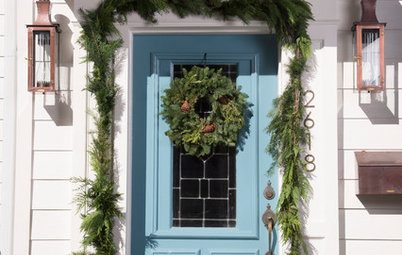
1. Hang a Wreath

There’s something about a wreath on the front door that kindles a festive feeling. Christmas crafters might prefer to make their own, but for wreaths done easy, head to your local florist or pick up an artificial wreath — it’ll save you the quandary of deciding where to get one next year and beyond.


2. Dress Your Entry

Want more than just a wreath at your front entrance? Step up the styling and string up some greenery. All it takes is scissors and twine — and a bit of patience.


3. Front Door Drama

To give your front door an added dash of drama, dress potted plants with Christmas tree ornaments or twinkle lights. The effect will be simple but statement-making.


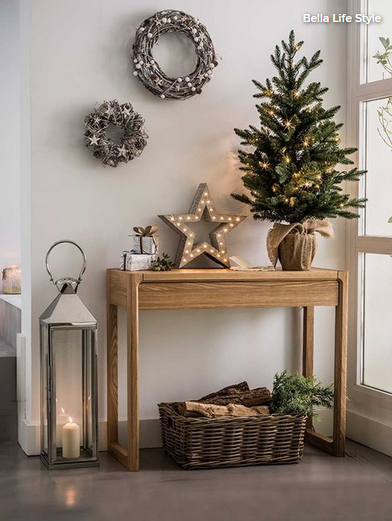
4. Make an Entrance

A sure-fire way to get in the spirit? Walk into a home where the seasonal decorations begin the moment you set foot inside the door.


5. Deck the Halls

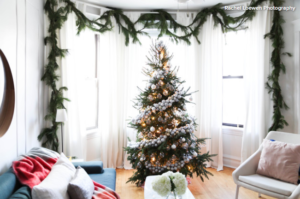
For a brag-worthy wow factor, drape some branches around the features of a room — on a window, above a doorway or along the molding. You can cut your own greenery, pick up a few bunches from your local florist or grab a pack of artificial branches from a home goods store. String, scissors and another pair of hands is usually enough to complete the job.


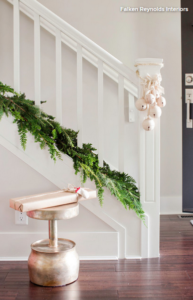
6. Style Your Stairs

While you’re at it, save some cut greenery for the stairs. Weave it around the balustrade and affix it with string, or keep it at foot level if you want the handrail to remain free for safety. A small bunch of ornaments hung from the newel post is even easier.


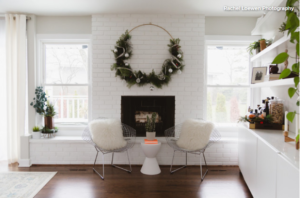
7. Mantelpiece

Try laying some greenery — real or artificial, at Houzz we never judge — on top of your fireplace mantel. You might need the help of some florist’s wire to ensure the branches behave nicely. If you use your fireplace, make sure to screen the fire or keep any branches far from potential sparks for safety.


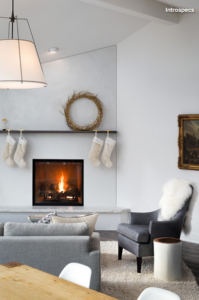
8. Stock Up

A fireplace without stockings in December isn’t just under dressed, it’s downright naked. If you don’t have a fireplace, get creative with where you hang your stockings — almost any ledge or shelf will do.


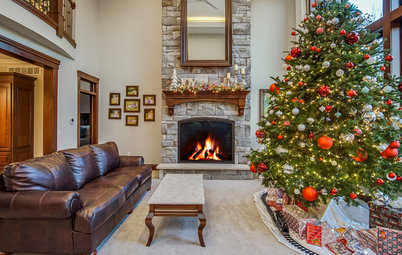
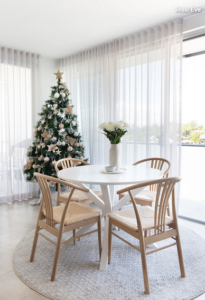
9. Dress the Tree

Decorating the Christmas tree is one of those traditions you might dedicate an hour or more to and consider time well spent. If you get a real tree, the celebratory fragrance of pine will greet you every time you come home.


10. It’s a Wrap

Christmas is the season of giving, after all, so if you’re planning to spread the love with tangible gifts, make them even merrier with beautiful wrapping. Fun packaging can bring a smile to even the crankiest Scrooge.


11. Window Wonder

It’s amazing what a few candles and some greenery on a windowsill can accomplish when it comes to creating a Christmas vibe.


12. Advent Activities

Feeling creative? All it takes to make your own Advent-style calendar is some cardboard or envelopes, a wall and some reusable putty. Want an even easier idea? Buy a ready-made Advent calendar in a shop or online.


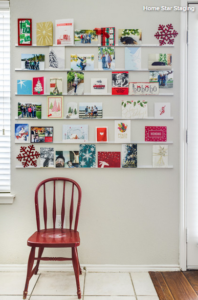
13. Get Carded

Displaying cards from friends, family and well-wishers is a beautiful way to infuse your interior with cheer, and it will also remind you that you matter to those you love. Go for a swanky shelf setup as seen in this kitchen, or whip out the putty to display them on a wall.


14. Beam It Up

OK, so this idea may not be quite as easy as advertised, but dedicated decorators among us (with the right ceiling or fixtures) may find it worth the effort. One of the benefits of suspending your table decorations above said table is all the space you’ll free up for a festive feast.
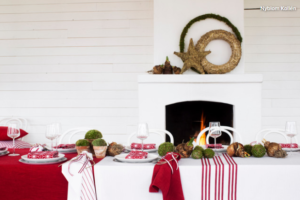
15. Table Time

Christmas-colored tablecloth: check. Matching napkins (even if they’re paper): check. Cutlery and plates: check. Greenery: check. And the table is set.

16. Portable Decorations

No room on your table for themed decor? Steal some ornaments from the back of your Christmas tree and arrange them in a platter or tray with some greenery. You can move your display elsewhere when it’s time to dine.

17. Edible Decor

No, it’s not a new trend you need to know about. Edible decor simply means letting your food and beverages do double duty as decorations and sustenance. How? All it takes is a little color theming, so look to naturally red and green ingredients when you’re planning those platters or making a Christmas cocktail. Cheers!

18. Light a Fire

Here’s an easy way to up your decorating game: Flickering candlelight will add festive spirit to any nook or cranny in your home, whether the flame is real or battery-powered. Go forth and light up.

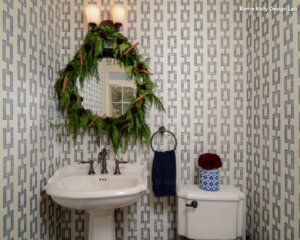
19. Beautify the Bathroom

There’s something so cheerful about entering a powder room or bathroom that hasn’t been forgotten in the decorating blitz.

20. Decorate and Delegate

As easy as most of these decorating ideas are, sometimes our long to-do list makes it nearly impossible to decorate for Christmas all by ourselves. So if you like to dress up multiple rooms and if you live with friends or family, try enlisting their help to spread the tasks around — in other words, share the love.